Comfort-forward visits
We keep appointments calm and unrushed, talk you through what we are doing, and adjust pacing if you are nervous or have a strong gag reflex.
Serving Kingston, New York & surrounding areas
Mon–Fri 8am–6pm · Sat 9am–2pm
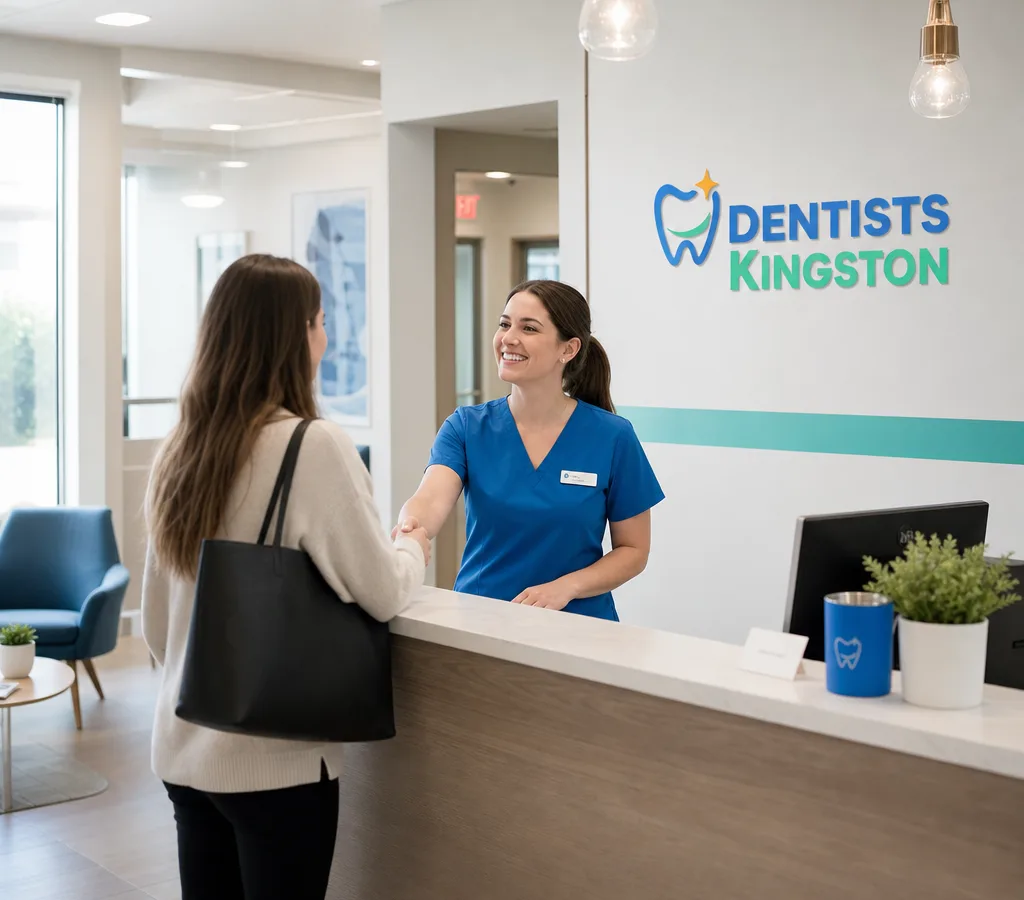
Dental care in Kingston, New York
Straightforward dental care for kids and adults, with a friendly team, modern tools, and appointment options that fit real schedules in Kingston.
Practical care for Kingston
If you searched for a dentist Kingston NY families can rely on, you are usually looking for two things: clear guidance and care that actually fits your life. At Dentists Kingston, we focus on practical dentistry. That means listening first, explaining your options in plain language, and building a plan that matches your goals, timeline, and budget.
People come to a Kingston dentist near me for a lot of reasons: a new-patient checkup, a tooth that started hurting on a weekend, getting back on track after missing cleanings, or finally taking care of a broken filling that keeps catching. Whatever brings you in, you should leave with a clear next step, not a pile of unanswered questions.
Our team sees patients across Kingston and the surrounding Hudson Valley. We also know many people commute, juggle school schedules, or split time between home and work across Ulster County. We keep scheduling simple, and we help you understand treatment priorities so you can handle the most important items first.
If you are comparing offices, start with the basics: do they explain findings using intraoral photos or digital X-rays, do they discuss prevention as well as repairs, and do they help you plan phased treatment when there are multiple needs? That is the standard we aim for every day. You can also get a feel for our approach through Dentists Kingston, NY.
Clarity at every visit
We keep appointments calm and unrushed, talk you through what we are doing, and adjust pacing if you are nervous or have a strong gag reflex.
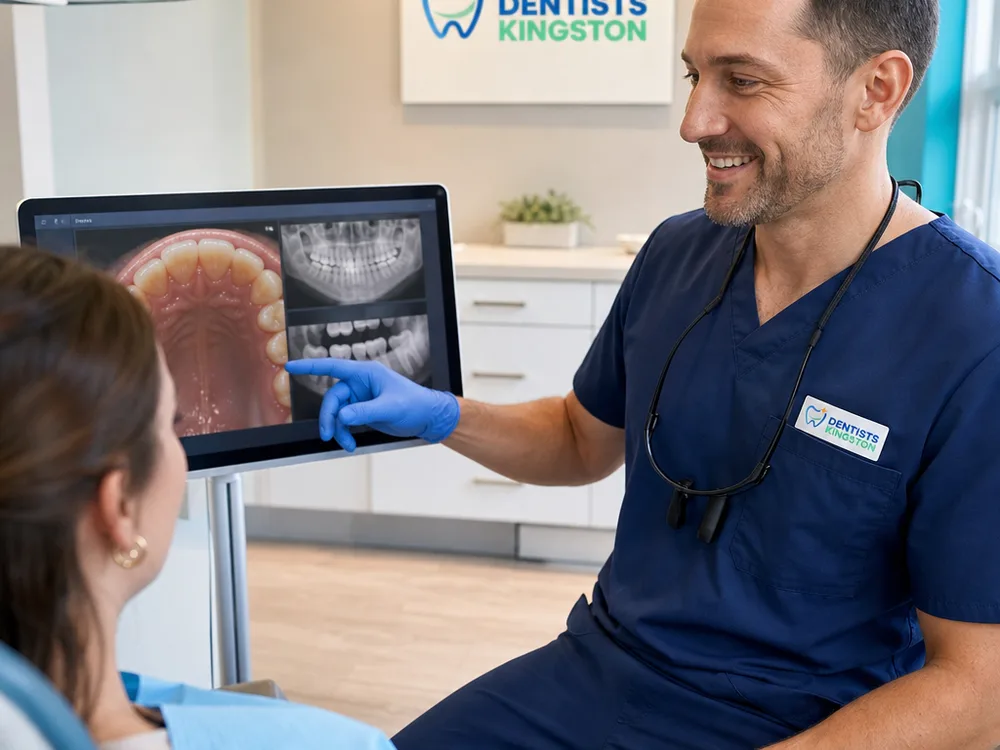
Digital X-rays and intraoral imaging help us show you what we see, document changes over time, and plan treatment with fewer surprises.
You will get home-care coaching that fits your mouth and your habits, including brushing technique, flossing aids, and fluoride or sensitivity options when appropriate.
When there is more than one issue, we help you prioritize: pain and infection first, function next, then cosmetic improvements if you want them.
We verify benefits, explain what is typically covered, and review any expected out-of-pocket costs before treatment whenever possible.
General dentistry in one office
A great general dentistry practice stays broad because your needs change over time. At our office, common appointments include:
If you are searching for the best dentist Kingston NY has for your situation, match the office to your actual needs. For example, if you have frequent sensitivity, ask how the team evaluates cracks, worn enamel, and gum recession. If you have a history of gum disease, ask how periodontal charting and maintenance are handled. A good plan is specific, written down, and easy to follow.
Local note for Kingston: many patients are balancing appointments around work and school across the Hudson Valley. If you have a tight schedule, bring a short list of concerns in order of priority. We will focus first on anything painful, infected, or structurally urgent, then map the rest into a timeline that is manageable.
Confirm benefits before your visit
If you are looking for a dentist in Kingston NY that accept Medicaid, the safest approach is to confirm details before your first visit because coverage can change by plan type and by procedure. Start by sharing your plan information when you request an appointment, and ask two practical questions: whether the office is currently accepting new Medicaid patients, and which services are covered for your age group.
In general, coverage tends to be strongest for preventive care and medically necessary treatment, but limits, prior authorizations, and frequency rules can apply. When a service is not covered or is only partially covered, we will review options so you can decide what makes sense now versus later.
If you are not sure what you need yet, begin with an exam and any recommended diagnostic X-rays. That visit is where a dentist can separate urgent issues, like infection, a broken tooth, or active decay, from things that can be monitored. From there, we can phase treatment in a way that respects both your health and your benefits.
01
Tell us what is bringing you in, whether it is a routine cleaning or a specific problem like pain, swelling, or a lost filling. If you have dental anxiety, mention it up front so we can pace the visit.
02
We examine teeth, restorations, bite, and jaw function, and we use digital X-rays or intraoral photos when needed. Gum measurements help identify inflammation and periodontal risk early.
03
You get a direct explanation of what we found, what can wait, and what should be addressed soon. We discuss alternatives when there is more than one reasonable way to fix a problem.
04
Some care can be completed the same day, while other treatment is scheduled in phases. We also review aftercare and prevention so the fix lasts as long as possible.
Planning your care
A routine dentist visit in Kingston, NY typically ranges from about $150 to $350 for an exam and cleaning, with X-rays often adding roughly $50 to $200 depending on what is needed. Problem-focused visits can be similar for the exam portion, but treatment, like a filling, crown, or extraction, changes the total.
Your final cost depends on insurance coverage, the type of cleaning recommended, whether new X-rays are necessary, and the complexity of any same-day treatment. The exact total is confirmed after your exam and diagnostics, once we can see what your mouth actually needs.
Helpful answers before your visit
Choose the dentist who explains findings clearly and offers a plan you can actually follow. Ask whether they use digital X-rays and intraoral photos to show you what is happening, how they handle gum health screening, and whether they can phase treatment when there are multiple issues. You should leave the first visit with written priorities, not vague advice.
Medicaid acceptance depends on your specific plan and whether the office is currently accepting new Medicaid patients. When you request an appointment, share your plan details and ask what is covered for the services you may need, including an exam, X-rays, cleaning, fillings, or extractions. We can help verify benefits and explain any limits or authorization steps that apply.
The first step is a focused exam to find the cause of the pain, usually paired with an X-ray of the area. Tooth pain can come from decay, a crack, infection, gum inflammation, or bite issues, and the treatment depends on which one it is. After the exam, you will get clear options, including what is urgent and what can be scheduled.
Most patients do well with cleanings and exams every six months, but some need more frequent visits. If you have gum disease history, heavy tartar buildup, or medical conditions that affect oral health, your dentist may recommend periodontal maintenance every 3 to 4 months. The right interval is based on your gum measurements and how quickly buildup returns.
Bring your photo ID, insurance information if you are using coverage, a list of medications, and any dental records or recent X-rays you have. It also helps to write down your top concerns in order, especially if you have more than one issue to discuss. That keeps the visit focused and makes sure your most urgent needs are addressed first.
Yes, dentists commonly evaluate clenching and grinding by looking for wear facets, cracks, sensitivity patterns, and muscle tenderness. Treatment may include a custom night guard, bite adjustments in select cases, and guidance on habits that aggravate symptoms. If your symptoms suggest a TMJ disorder, we will explain what we see and what next steps make sense.
Tell us what you need, whether it is a checkup, a second opinion, or help with a specific problem. We will confirm scheduling options and help you understand what to expect at your first visit.