Preventive checkups and cleanings
Routine exams, professional cleaning, and personalized home-care coaching geared to your child's age and risk factors.
Serving Kingston, New York & surrounding areas
Mon–Fri 8am–6pm · Sat 9am–2pm
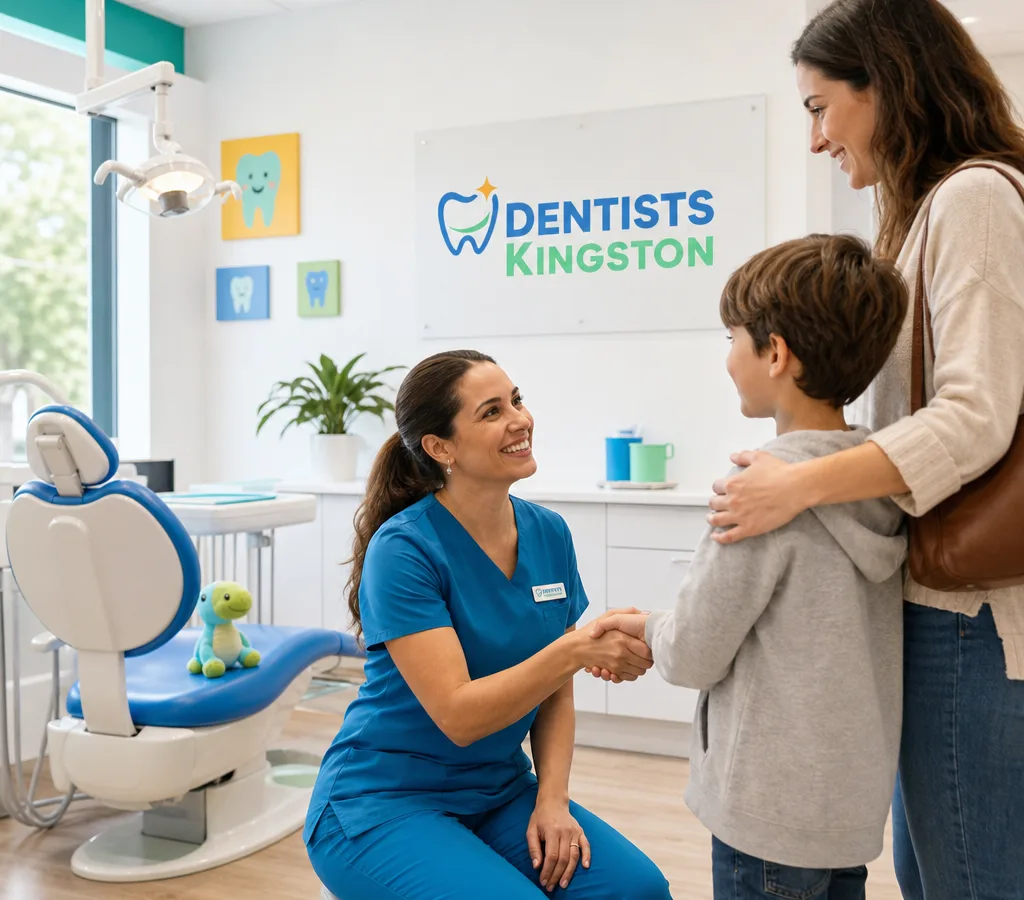
Pediatric dentistry and orthodontics in Kingston, New York
A kid-focused dental team for cleanings, cavity care, and orthodontic planning. Expect clear options, gentle pacing, and guidance that helps parents feel confident.
Growing smiles in Kingston
Searching for pediatric dentistry & orthodontics of Kingston usually means you want one place that can handle preventive visits now and orthodontic needs as your child grows. At Dentists Kingston, we focus on children's oral health with age-appropriate care, practical home guidance, and treatment planning that respects school schedules and family routines.
Kingston families often juggle busy commutes through the Hudson Valley, after-school activities, and sports. Pediatric dental visits work best when they are predictable: a clear plan, an exam that does not feel rushed, and straightforward explanations about what is normal development versus what needs attention.
Our approach centers on three essentials:
If you are getting to know our practice, start with a quick overview of Dentists Kingston and then schedule a child-focused appointment when you are ready.
A calm, clear appointment
A good pediatric appointment has structure, but it should still feel calm.
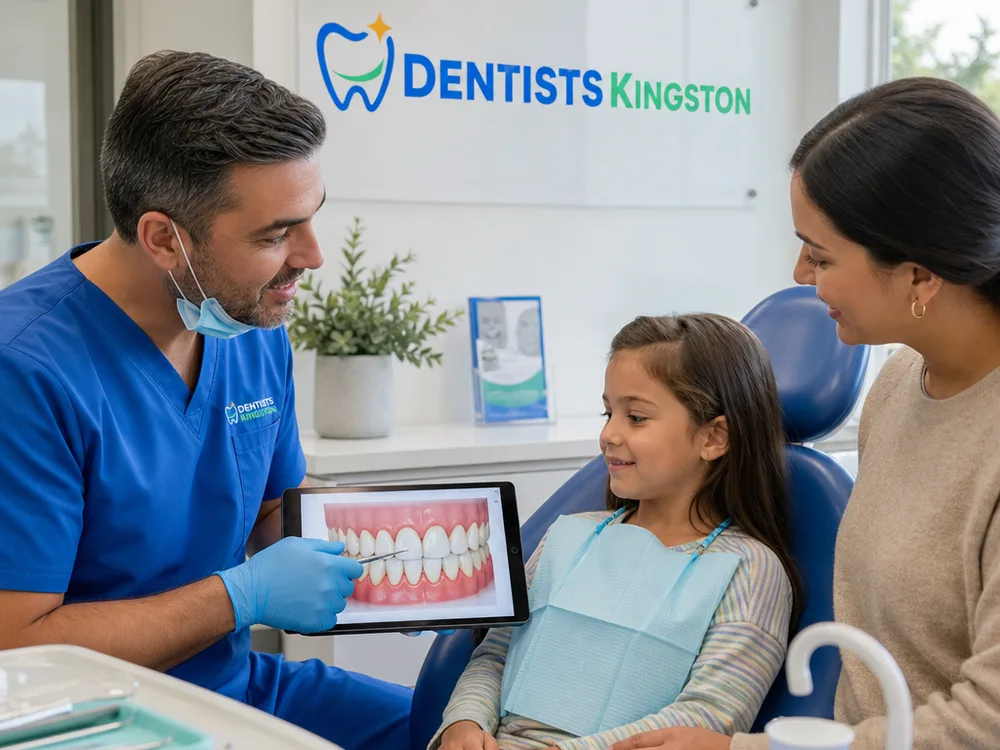
We typically begin by learning what you are seeing at home: sensitivity, brushing habits, thumb-sucking or mouth-breathing, clenching, snoring concerns, or a tooth that is not erupting on schedule. Then we move through an exam and cleaning tailored to your child's age and comfort level.
If X-rays are recommended, we explain why and what we are looking for. In pediatric dentistry, radiographs help detect cavities between teeth, evaluate eruption patterns, and check for issues that can hide under the surface. For orthodontic planning, images and measurements can help assess bite relationships and crowding.
Before you leave, you should have a simple take-home plan:
Care through every stage
Routine exams, professional cleaning, and personalized home-care coaching geared to your child's age and risk factors.
Protective options that help reduce cavity risk, especially on the chewing surfaces of molars where grooves trap plaque.
Treatment recommendations based on tooth structure, location, and your child's comfort, with a focus on durable, appropriate materials.
Monitoring spacing, crowding, bite alignment, and eruption timing so issues are addressed at the right moment, not too early or too late.
A clear roadmap for orthodontic treatment: expected stages, appointment cadence, and what parents can do at home to support progress.
Guidance on mouthguard fit and use for active kids to reduce the chance of dental injuries during sports and recreation.
Orthodontics is not only about straight teeth. It is also about how the jaws and bite fit together, how teeth erupt, and how early habits can affect alignment. In many cases, the biggest value of an early orthodontic check is simply knowing what to watch.
A practical way to think about timing:
Early mixed dentition: Some children benefit from monitoring bite development as adult teeth start to come in. The goal is to identify crowding, crossbite concerns, or eruption problems early enough to plan.
Late mixed dentition into adolescence: This is when many kids begin comprehensive orthodontic treatment if it is needed.
Orthodontic recommendations should be specific to your child's growth and oral health. During a pediatric visit we can flag risk factors that commonly complicate orthodontic care, such as active cavities, inflamed gums, or inconsistent home hygiene. Addressing those first can make braces or aligners smoother.
Parents also appreciate knowing what is normal. Gaps and “awkward” stages often resolve naturally as teeth erupt. The visit should clarify what is expected and what is not, so you are not guessing.
Planning care and treatment
Most Kingston families can expect pediatric preventive visits (exam and cleaning) to typically run about $150 to $350 per visit without insurance, while orthodontic treatment commonly ranges from about $3,500 to $7,500+ depending on case complexity and the type of braces or aligners.
Your final cost depends on X-rays needed, cavity treatment versus prevention only, whether sedation is indicated, orthodontic records and appliances, and the length and intensity of orthodontic follow-ups. Exact pricing is confirmed after an in-person exam and a written treatment plan.
01
We review prior dental experiences, medical considerations, sensitivities, and what you are noticing at home (pain, swelling, habits, crowding).
02
We complete a child-appropriate evaluation and recommend X-rays only when they help us make a safer, clearer decision.
03
You get a plain-language explanation of what is healthy, what needs treatment, and what can be monitored with a set timeline.
04
We coordinate the next steps, whether that is preventive recall, restorative work, or orthodontic records and planning.
05
We reinforce brushing and flossing techniques, review appliance care when relevant, and adjust the plan as your child grows.
Patient experiences
“My son was nervous, and the team slowed everything down and explained each step before they did it. We left with a simple plan and he said the visit was easier than he expected.”
“We came in for a cleaning and asked about spacing and bite. They gave us a straightforward orthodontic timeline and what to watch for over the next year.”
“The appointment felt organized but not rushed. I appreciated getting clear options for preventive care and what would be needed if we move forward with braces.”
Helpful answers for parents
An orthodontic evaluation is often appropriate once permanent teeth begin erupting and you notice crowding, bite issues, or uneven spacing. We can screen during a pediatric visit and tell you whether to monitor, take records now, or plan for orthodontic treatment later based on what we see in the bite and eruption pattern.
No, kids do not need X-rays at every visit. X-rays are recommended based on cavity risk, symptoms, and what we can and cannot see during the exam, and they are especially helpful for spotting cavities between teeth and checking how adult teeth are developing under the gums.
Dental sealants are a thin protective coating placed on the chewing surfaces of back teeth to help block food and plaque from deep grooves. They are often recommended for children who have newly erupted molars, because those surfaces are harder to keep clean during the early years of brushing independence.
If a cavity needs treatment and your child is anxious, we start by matching the pace and approach to your child's comfort and the urgency of the tooth. In many cases we can use short, predictable appointments, strong numbing techniques, and behavior guidance, then outline options if additional anxiety support is needed.
The most reliable prevention is consistent brushing with fluoride toothpaste, daily flossing once teeth touch, and limiting frequent snacking and sugary drinks. During your visit we can show a brushing and flossing approach that fits your child's age, and we will recommend fluoride or sealants when risk is higher.
Yes, most kids can continue sports with braces or aligners, but protection matters. A properly fitted mouthguard helps reduce the chance of broken brackets, cuts to the lips and cheeks, and dental injuries, and we can guide you on what type of mouthguard is appropriate for your child's orthodontic setup.
Share your child's age, any concerns you have noticed, and what you want help with. We will recommend a next step and put together a clear plan for preventive care and orthodontic timing.